Explore the future of hair restoration technology with stem cell hair transplants at Aesthetic Elite. Discover the benefits of autologous stem cell hair therapy for effective hair loss solutions!
As the quest for effective hair restoration solutions continues, the latest innovation making waves in the cosmetic and medical fields is stem cell hair transplant technology. This cutting-edge approach promises a new frontier for individuals struggling with hair loss, offering potentially more effective results than traditional methods. In this article, we will explore the science behind stem cell hair transplants, their advantages, and why they may shape the future of hair restoration technology.
Understanding Hair Loss
Before diving into stem cell technology, it’s essential to understand the causes of hair loss. Various factors contribute to hair thinning and baldness, including genetics, hormonal imbalances, aging, and certain medical conditions. The most common form of hair loss is androgenetic alopecia, often known as male or female pattern baldness.
Traditional hair restoration methods, such as hair transplants and medications like minoxidil and finasteride, have their benefits, but many still seek more advanced solutions due to limitations in effectiveness and recovery time. This is where stem cell hair transplantation comes into play.
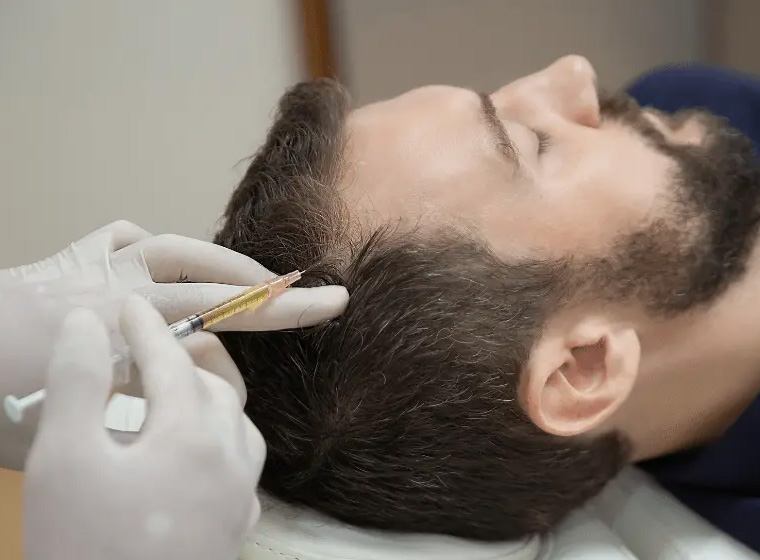
What is Stem Cell Hair Transplant?
Stem cell hair transplant utilizes the natural regenerative properties of stem cells to promote hair growth. The process involves harvesting hair follicles and then extracting stem cells to stimulate hair regeneration in thinning or bald areas of the scalp. The goal is to harness the body’s inherent ability to repair and regenerate tissues, leading to more natural and sustainable hair growth.
The Process of Stem Cell Hair Transplant
- Harvesting Hair Follicles: The first step involves extracting healthy hair follicles from the patient’s scalp, typically from areas with dense hair growth, often referred to as the donor area.
- Stem Cell Extraction: The harvested follicles are then processed to extract stem cells. These cells play a fundamental role in tissue regeneration, making them essential for promoting hair growth.
- Injection into Bald Areas: Once the stem cells have been isolated, they are injected into the areas of the scalp that require treatment. This injection helps activate the surrounding hair follicles, promoting new hair growth.
Advantages of Stem Cell Hair Transplant
- Enhanced Hair Growth: One of the most significant benefits of stem cell hair transplantation is its potential to stimulate hair follicles effectively. Patients often experience denser and thicker hair growth compared to traditional methods.
- Natural Results: Because the procedure uses the patient’s own cells, the results are typically more natural. The hair grows in a way that matches the individual’s existing hair patterns and texture.
- Minimized Scarring: Unlike traditional surgical hair transplants, which can leave significant scarring, stem cell procedures involve less invasive techniques, resulting in minimal visible scars.
- Shorter Recovery Time: Patients can expect quicker recovery times with stem cell hair transplants compared to conventional methods. Most individuals can return to their normal activities shortly after the procedure.
- Fewer Sessions Required: Many patients report satisfactory results after fewer treatment sessions due to the efficacy of stem cell technology in promoting hair growth.
The Future of Hair Restoration Technology
As research continues to advance, the impact of stem cell hair transplants is expected to grow. Innovations in cell therapy, including autologous stem cell hair therapy, are paving the way for even more refined techniques that could enhance hair restoration outcomes.
Current Research and Development
Ongoing studies are focusing on improving the methods of stem cell extraction and application. By better understanding how stem cells interact with hair follicles, researchers aim to enhance the speed and reliability of results. As this field of study advances, more people may gain access to effective hair restoration solutions with long-lasting results.
Broader Applications
In addition to treating hair loss, stem cell technology has potential applications in regenerative medicine and tissue repair. While its primary focus remains in hair restoration for now, the principles underpinning this technology could pave the way for breakthroughs in tackling various skin and hair conditions.
Choosing the Right Clinic
For individuals considering a stem cell hair transplant, it’s essential to choose a reputable clinic specializing in this advanced technique. Look for certified practitioners with experience in stem cell procedures and a proven track record of successful outcomes. Additionally, ensure that the clinic follows strict safety protocols and utilizes the latest technologies.

Conclusion
Stem cell hair transplant technology represents a significant advancement in hair restoration methods, combining the natural regenerative abilities of stem cells with innovative techniques to promote hair growth. With benefits such as enhanced hair density, natural results, and a shorter recovery time, this approach is poised to redefine hair restoration for many people.
As research continues, techniques like autologous stem cell hair therapy will likely gain traction, offering individuals suffering from hair loss new hope for a fuller, healthier head of hair. If you're looking for a cutting-edge solution to your hair loss concerns, exploring the potential of stem cell hair transplants may be the next step in your journey toward restored confidence and self-esteem.


