Explore whether hair transplants are permanent and what happens as you age after surgery. Learn more at Aesthetic Elite about maintaining your results.
As society places increasing importance on appearance and grooming, hair loss can be a significant concern for many individuals. Hair transplants have become a popular solution to restore lost hair and boost self-esteem. However, one question often lingers: Is hair transplant permanent? While hair transplants can provide long-lasting results, aging post-surgery can affect hair quality and overall aesthetics. In this article, we’ll delve into the permanence of hair transplants and what happens as you age after the procedure.
Understanding Hair Transplants
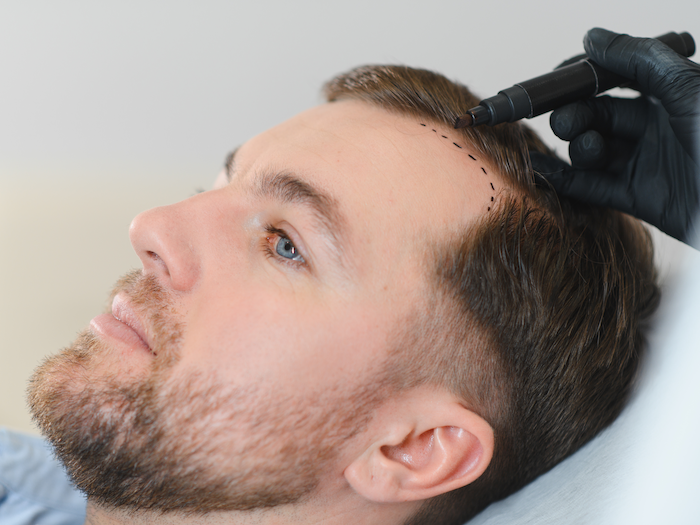
A hair transplant is a surgical procedure that involves relocating hair follicles from a donor area—typically the back or sides of the scalp—to balding or thinning areas. Both FUE and FUT methods aim to create a natural-looking hairline, but many patients often ask, "is hair transplant permanent?" While the results can vary depending on various factors, including aging, the relocated follicles are typically designed to last a lifetime.
- Follicular Unit Extraction (FUE): This method involves extracting individual follicles and transplanting them directly into the scalp. It leaves minimal scarring and provides a quicker recovery time.
- Follicular Unit Transplantation (FUT): In this technique, a strip of hair is removed from the donor area, dissected into individual grafts, and then implanted. Although it may leave a linear scar, FUT is often more efficient for larger transplants.

Both methods aim to create a natural-looking hairline, but the results can vary depending on various factors, including aging.
Is Hair Transplant Permanent?
Hair transplants are generally considered a permanent solution for hair loss, with several factors contributing to their longevity:
1. Quality of Donor Hair
Hair removed from the donor area is typically more resistant to hair loss. The genes governing these hairs’ longevity make them less susceptible to thinning, which often affects hair in other regions of the scalp.
2. Skill of the Surgeon
The success and permanence of a hair transplant significantly depend on the surgical technique and the ability of the surgeon. A skilled surgeon can maximize the chances of success and ensure that the grafts are placed optimally for natural growth.
3. Ongoing Hair Loss
While the transplanted hair is generally permanent, ongoing hair loss in untreated areas may continue as you age. It’s crucial to understand that the hair loss pattern you experienced prior to surgery can influence future outcomes.
What Happens as You Age After Surgery?
As with any surgical intervention, aging can impact the appearance and maintenance of your hair transplant results. Here’s what to expect as the years go by:
1. Continued Hair Loss
While the transplanted hair is permanent, it’s essential to remember that you may continue to experience hair loss in areas that were not treated. This can lead to an uneven hairline or thinning patches if not addressed.
- Hormonal Changes: As you age, hormonal shifts can lead to existing hairs thinning, even in areas that were unaffected before surgery.
- Genetic Factors: If you have a family history of baldness, be aware that you might still lose hair over time.
2. Changes in Hair Quality
Aging can affect the quality of both transplanted and existing hair:
- Thinning and Texture Changes: Hair may become finer and less dense as you age, leading to potential thinning across the scalp.
- Graying: Transplanted hair, like natural hair, will eventually turn gray as you age unless addressed through coloring techniques.
3. Maintenance Requirements
To maintain your results, you may need to adopt a proactive approach:
- Post-Transplant Care: Continuing to care for your scalp and hair with suitable products and treatments will help ensure the longevity of your results.
- Healthy Lifestyle Choices: Factors like diet, exercise, and stress management play a significant role in maintaining healthy hair. A nutrient-rich diet can support hair health.
- Consider Additional Treatments: In some cases, you may want to consider supplemental treatments, such as:
- Minoxidil: A topical treatment that can help prevent further hair loss.
- Finasteride: An oral medication that lowers levels of DHT, a hormone linked to hair loss.
Long-Term Strategies for Success
To enhance the durability of your hair transplant results, follow these strategies:
1. Regular Check-Ups
Scheduling follow-up appointments with your surgeon can help you monitor the health of your transplanted hair and address any concerns promptly.
2. Hair Care Routine
Establish a consistent hair care routine that includes gentle cleansing and moisturizing to keep the scalp healthy. Avoid harsh chemicals that could damage both transplanted and natural hair.
3. Managing Stress
Stress can contribute to hair loss. Incorporate relaxation techniques such as yoga, meditation, or hobbies that help you unwind.
Conclusion
In summary, while the answer to hair transplant permanent? is generally affirmative, your experience may vary as you age. Ongoing hair loss in untreated areas and natural aging processes can impact your overall look. Therefore, continuous care and proactive maintenance are crucial for achieving long-lasting satisfaction from your hair transplant. At Aesthetic Elite, we understand the significance of a confident appearance. If you are considering a hair transplant or have already undergone the procedure, our team is here to support you on your journey to maintaining a youthful and vibrant look. Embrace your new hairstyle with confidence, knowing you have the tools and knowledge to sustain it over time!


