Hair Transplant Recovery: When Can You Exercise and Wear a Hat Again?
Learn about the hair transplant recovery timeline and when you can exercise and wear a hat again at Aesthetic Elite.
Hair transplant surgery has become increasingly popular among individuals seeking to restore their hair and confidence. While the procedure itself marks a significant milestone in your hair restoration journey, understanding the recovery process is equally important. Many patients wonder, "When can I exercise again?" and "When can I wear a hat?" This article will guide you through the hair transplant recovery timeline and provide tips for a smooth recovery.
Understanding Hair Transplant Surgery
Hair transplant surgery involves taking hair follicles from a donor site—usually the back of the head—and implanting them into areas experiencing thinning or baldness. The two main methods are Follicular Unit Transplantation (FUT) and Follicular Unit Extraction (FUE). Both techniques offer excellent results, but they come with post-operative care and restrictions.
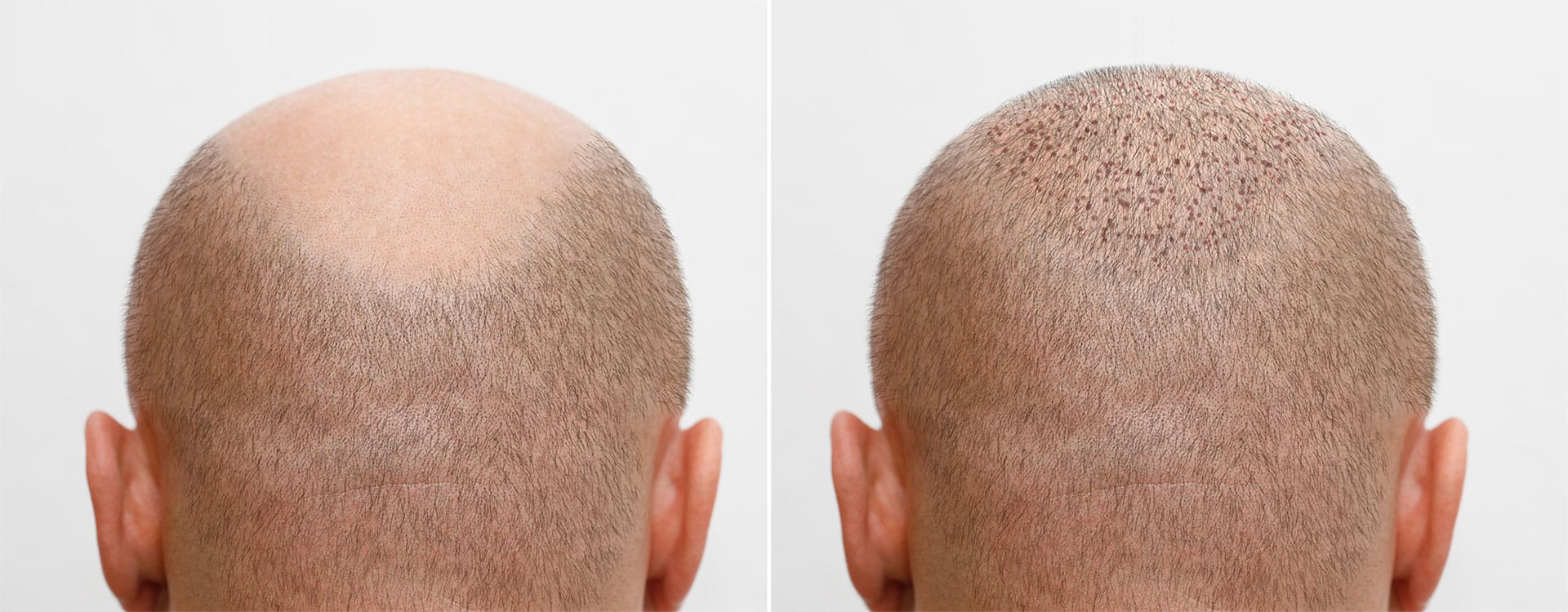
The Importance of Recovery
Hair transplant recovery plays a crucial role in ensuring the success of the hair transplant. Taking care of your newly transplanted follicles is essential for promoting optimal growth and minimizing complications. An appropriate recovery plan will help reduce the risk of infection and ensure your scalp heals properly.
Hair Transplant Recovery Timeline
Week 1: Immediate Post-Operative Care
Days 1-3
- Initial Healing: In the first few days, expect some swelling, redness, and minor discomfort. You may also experience scabbing in the transplanted areas.
- Avoid Exercise: It's crucial to avoid any physical activity, including exercise, during this time. Strenuous activities can increase blood flow to the scalp, potentially dislodging the grafts.
Days 4-7
- Washing Your Hair: Your doctor will provide specific instructions on how and when to wash your hair. Usually, gentle washing is advised starting on day 3 or 4.
- Wearing a Hat: It’s advisable to avoid hats in the first week, as they can irritate the scalp and risk displacing the grafts.
Week 2: Assessing Progress
Days 8-14
- Scab Healing: Scabs will start to fall off as the healing progresses, and you may notice that your new hair is shedding. This is completely normal.
- Return to Light Activities: While you should still avoid vigorous exercise, light activities like walking can usually be resumed.
Hat Wearing:
You can start wearing a loose-fitting hat during this week, but ensure that it does not press against the transplanted areas. Opt for breathable materials to avoid moisture retention.
Weeks 3-4: Engaging in Regular Activities
- Exercise: By weeks 3-4, you can gradually return to your regular exercise routine, but it’s vital to listen to your body. Start with low-impact activities and gradually increase intensity.
- Hat Usage: At this point, wearing a hat should pose no problems as long as it’s not too tight. Ensure the hat does not irritate your scalp.
Week 6 and Beyond: Full Recovery
- Resuming Normal Activities: Most patients can return to their normal exercise routines and activities by six weeks. Listen to your body and consult with your surgeon if you experience any discomfort.
- Hair Growth Begins: You can begin to see new hair growth around this time. The transplanted hair will start growing at a normal rate.

Tips for a Smooth Recovery
- Follow Surgeon's Instructions: Always adhere to post-operative instructions provided by your surgeon. This may include specific washing and care techniques.
- Hydration and Nutrition: Stay well-hydrated and consume a balanced diet rich in vitamins and minerals to support healing.
- Avoid Smoking and Alcohol: These can impair healing and affect the overall success of your transplant, so it’s best to avoid them during the recovery period.
- Gentle Scalp Care: Use mild shampoos and avoid aggressive hair styling products during the initial recovery phase.
- Patience: Understand that hair restoration is a gradual process. The results may take several months to fully manifest.
Understanding the hair transplant recovery timeline is crucial for those considering the procedure. Knowing when you can safely resume exercising and wearing a hat allows you to manage your expectations and plan your return to normal activities. By adhering to the post-operative guidelines and taking care of your transplanted follicles, you can maximize your results and enjoy the benefits of your new hair. If you have any questions or concerns about your recovery or are considering a hair transplant, feel free to reach out to us at Aesthetic Elite. We're here to support you on your journey to hair restoration!


