Aesthetic Elite explores the ponytail facelift, a procedure for achieving a youthful, lifted look with minimal scarring, perfect for those seeking effective, less invasive options.
As time passes, many individuals begin to notice the signs of aging on their faces—fine lines, sagging skin, and loss of volume. Facelifts have long been touted as an effective solution for rejuvenating one's appearance. However, traditional facelifts can involve significant downtime and noticeable scarring. Enter the ponytail facelift, a new, innovative technique designed to provide a youthful, lifted look with minimal scarring. In this article, we explore the benefits, procedure, and recovery process of the ponytail facelift and how it can transform your appearance.
What Is a Ponytail Facelift?
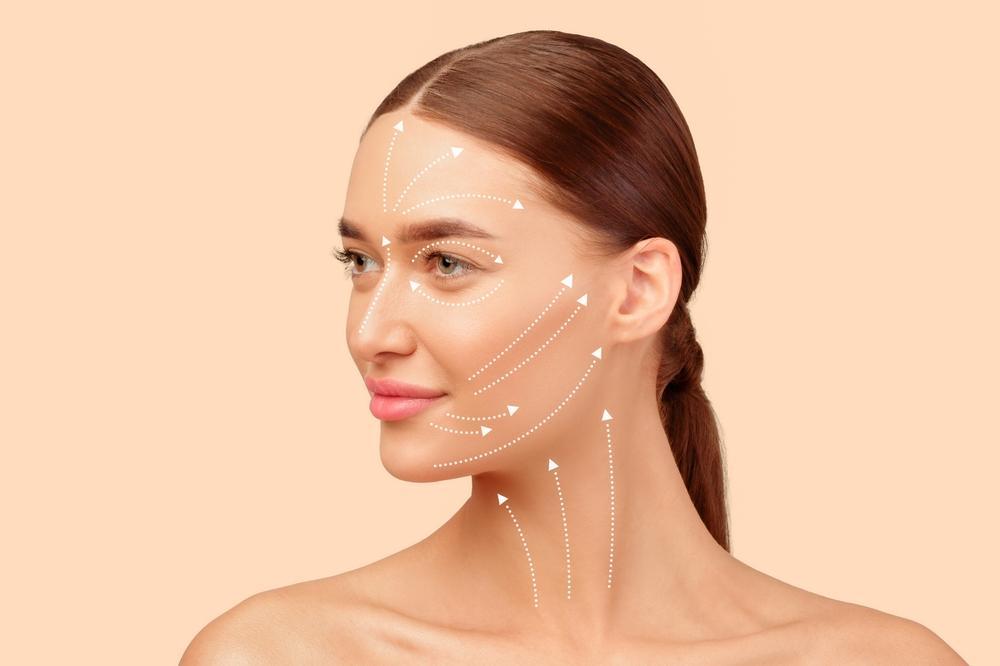
The ponytail facelift is a cosmetic procedure that lifts the face using minimal incisions hidden within the hairline. This technique primarily targets the lower two-thirds of the face, including the jawline and neck, and is especially beneficial for individuals looking for subtle improvements rather than drastic changes. The name "ponytail" derives from the way the surgeon pulls and lifts the skin, akin to gathering hair into a ponytail.
Benefits of a Ponytail Facelift
- Minimal Scarring: One of the most significant advantages of the ponytail facelift is its ability to conceal incisions within the hairline. This leads to less visible scarring compared to traditional facelifts, making it an appealing option for those concerned about post-surgical marks.
- Shorter Recovery Time: Patients typically experience a shorter recovery period with a ponytail facelift. While traditional facelifts may require several weeks of downtime, many individuals find they can return to their normal activities within a week.
- Natural-Looking Results: The ponytail facelift offers natural-looking results since the procedure allows for subtle lifts rather than dramatic changes. This can be especially appealing to individuals seeking improvement without looking "overdone."
- Suitable for Younger Patients: This technique is particularly well-suited for younger patients (in their 30s or 40s) who may not yet need more extensive facial rejuvenation but desire to maintain their youthfulness.
- Less Invasive: As a minimally invasive facelift, the ponytail facelift uses fewer surgical techniques than traditional methods. This feature not only reduces downtime but also decreases the risk of complications.
The Ponytail Facelift Procedure
The ponytail facelift is typically performed as an outpatient procedure under local anesthesia with sedation. Here’s a step-by-step overview of what to expect during the surgery:
1. Consultation
The journey begins with a thorough consultation with a board-certified plastic surgeon. They will assess your facial structure, discuss your aesthetic goals, and determine if the ponytail facelift is the right option for you.
2. Anesthesia Administration
On the day of the procedure, local anesthesia will be administered to ensure comfort during surgery. Sedation may also be provided to help you relax.
3. Incision Creation
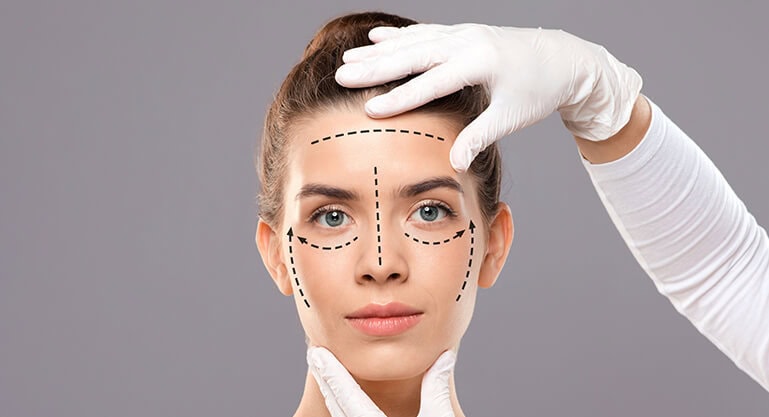
The surgeon will make small incisions in strategic locations, typically within the hairline. These incisions are designed to minimize visibility and allow the surgeon to access the underlying tissues.
4. Lifting and Tightening
Once the incisions are made, the surgeon will lift the facial tissues to achieve the desired elevation. This may involve repositioning facial fat or improving the skin's firmness.
5. Closing the Incisions
After achieving the desired lifting and tightening, the surgeon will carefully close the incisions. The goal is to leave them as inconspicuous as possible.
6. Recovery
You will be monitored in the surgical facility for a short time after the procedure. Once cleared, you can return home to begin your recovery. Most patients are advised to avoid strenuous activities for several days following the surgery.
Recovery and Post-Operative Care
While recovery from a ponytail facelift is relatively quick, following post-operative instructions is crucial for optimal results:
- Rest: Take time to rest and allow your body to heal. Avoid heavy lifting or rigorous activities for at least two weeks.
- Follow-Up Appointments: Attend all scheduled follow-up appointments with your surgeon to monitor your progress and address any concerns.
- Manage Swelling and Discomfort: Ice packs can help reduce swelling. Over-the-counter medications may be recommended for discomfort.
- Avoid Sun Exposure: Protect the treated area from direct sun exposure to prevent irritation or discoloration during the healing process.
- Be Patient: Initial swelling may take time to subside. Results will gradually improve, and full effects may be visible after several months.
The ponytail facelift is an innovative and effective solution for individuals seeking a youthful, lifted appearance with minimal scarring and downtime. Its minimally invasive nature and natural-looking results make it a popular choice among those looking to enhance their beauty without the extensive recovery associated with traditional facelifts.
If you're considering a cosmetic procedure to combat the signs of aging, the ponytail facelift might be the right fit for you. By choosing a qualified, experienced surgeon and adhering to post-operative care instructions, you can achieve your aesthetic goals and boost your confidence.
Exploring the ponytail facelift can be an empowering step in your journey toward restoring your youthfulness, ultimately leading to a revitalized, more confident you. Embrace this opportunity for transformation and celebrate the beauty of aging gracefully with a minimally invasive facelift option that works for you.


