Deep Plane Facelift: The Ultimate Technique for Natural Facial Rejuvenation
Discover why the Deep Plane Facelift is the ultimate technique for natural facial rejuvenation. Learn more at Aesthetic Elite about advanced facial rejuvenation options and how deep tissue considerations influence outcomes.
When it comes to facial rejuvenation, patients increasingly seek results that look natural, balanced, and expressive. The Deep Plane Facelift has emerged as a leading option in modern aesthetic surgery, addressing the underlying support structures of the midface rather than merely tightening the skin. By repositioning deeper tissues, this technique creates a durable lift that preserves natural facial movement. This article explores what makes the Deep Plane Facelift the preferred choice for many patients, how it compares with traditional methods, what to expect during and after surgery, and how to maximize longevity of results.
What is a Deep Plane Facelift?
Concept and Mechanics
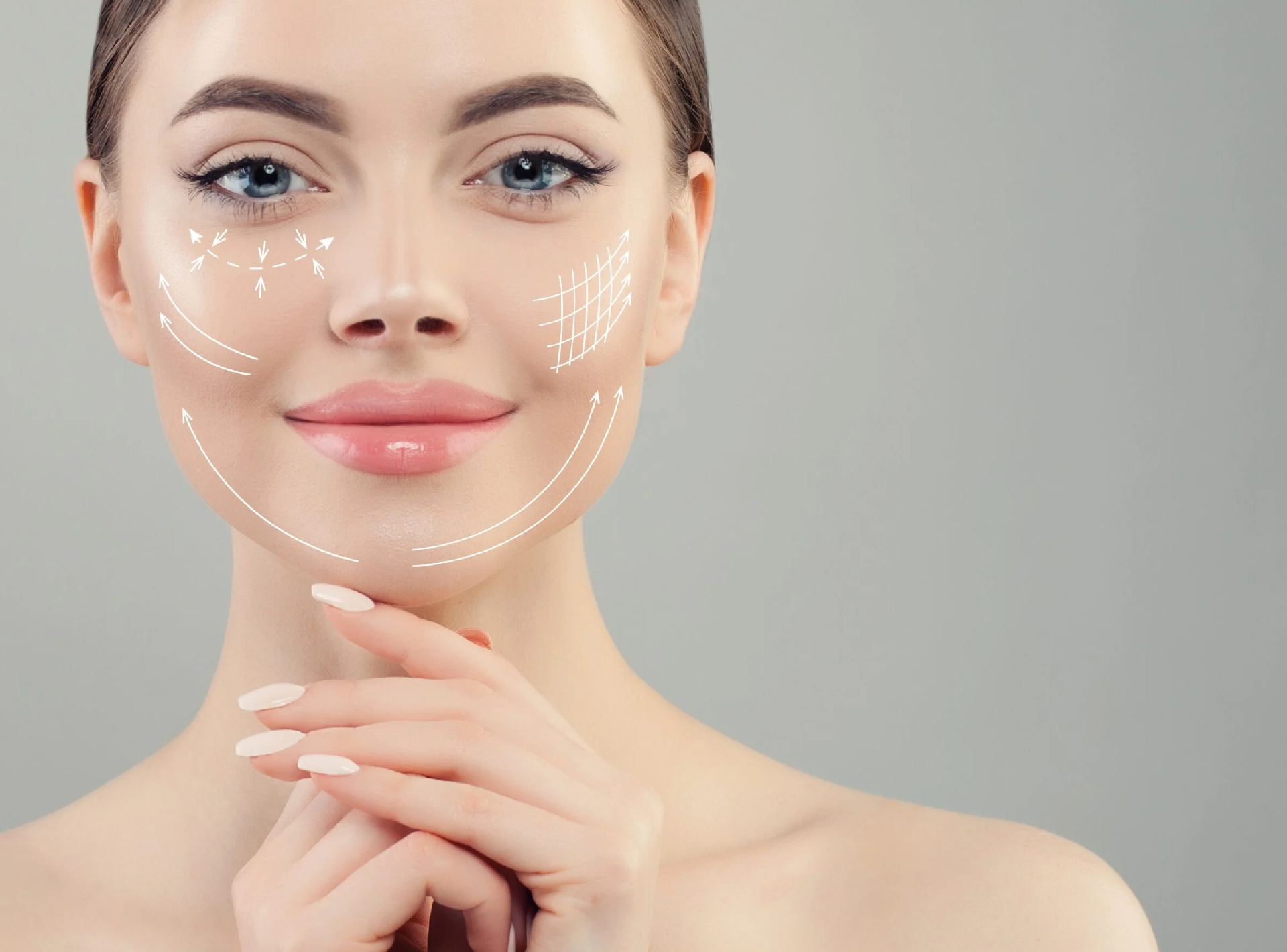
A Deep Plane Facelift is a surgical approach that releases and repositions the deeper facial layers—the midface, cheek fat compartments, and surrounding connective tissues—while minimizing tension on the outer skin. By targeting the foundational support rather than surface skin alone, the procedure achieves a more natural, long-lasting elevation. The aim is to restore youthful contour around the cheeks, nasolabial folds, jawline, and neck while maintaining expressive facial dynamics.

Key Differences from Traditional Techniques
- Traditional SMAS Lift: Primarily repositioning the SMAS layer with some skin traction, which can yield a taut or less natural appearance.
- Deep Plane Facelift: Works beneath the SMAS and deeper tissues, enabling more comprehensive repositioning of fat compartments and support structures for harmonious results and preserved expression.
Why It’s the Ultimate Technique for Natural Rejuvenation
Natural Expression
Elevation from deep structural layers preserves facial mobility and expression, avoiding a rigid or surprised look.
Durable Results
Deep plane lifts tend to maintain their shape longer because they address foundational support rather than superficial skin tension.
Comprehensive Rejuvenation
The technique can correct midface descent, nasolabial folds, jowls, and contour irregularities in a coordinated manner for balanced outcomes.
Enhanced Safety Profile
When performed by experienced surgeons, deep plane techniques can reduce tension-related complications and promote smoother healing.
Who Is a Suitable Candidate?
Demographics and Goals
Individuals with midface descent, sagging cheeks, and nasolabial deepening who desire a long-lasting, natural lift.
Facial Harmony
Patients seeking a harmonious balance across the face, including the lower eyelids, cheeks, jawline, and neck.
Health and Expectations
Those in good overall health with realistic expectations about scarring, recovery, and downtime.
The Procedure: What to Expect
Preoperative Assessment
A thorough consultation with a board-certified plastic surgeon is essential. The surgeon will evaluate skin quality, bone structure, fat distribution, and tissue descent, and will define goals and review a tailored plan.
Anesthesia
Most Deep Plane Facelifts are performed under general anesthesia; some cases may use deep sedation with regional anesthesia, depending on the extent of lift and patient-surgeon preference.
Surgical Technique
- Incisions: Small, discreet incisions placed around the hairline and near the ears to minimize visible scarring.
- Layer Release and Lift: The surgeon mobilizes deeper tissues, releasing restraints and repositioning them to restore youthful contours.
- Redraping and Tightening: The overlying skin is redraped over the newly lifted framework, with excess skin trimmed as needed.
- Closure: Incisions are closed with meticulous attention to scar placement and healing.
Recovery Timeline
- Immediate Postoperative: Expect swelling and bruising; pain is typically manageable with prescribed medications.
- Weeks 2–4: Bruising subsides; gradual return to social and professional activities occurs.
- Months: Final contour evolves as tissues settle, with a natural appearance that remains expressive and balanced.
Benefits and Limitations
Benefits
- Enhanced midface support and cheek contour, reducing hollowed appearance.
- Smoother jawline and neck transition without excessive tension on the skin.
- Longer-lasting results compared with some traditional facelift techniques.
- Subtle, natural rejuvenation that respects individual aging patterns.
Limitations
- Higher complexity and longer operative time than less invasive options.
- Recovery can be longer, with more pronounced swelling in the initial months.
- Not ideal for those seeking dramatic, upper-face changes in a single procedure.
- Higher cost due to surgical expertise and extended operating time.
Alternatives and Adjuncts
Complementary Procedures
- Traditional SMAS Lift: May be suitable for certain aging patterns but less natural in appearance than the Deep Plane approach.
- Midface Lifts and Fat Grafting: Can be integrated with deep plane techniques for enhanced volume restoration.
- Non-surgical Options: Ultherapy, RF tightening, and injectables may offer maintenance but do not replace a surgical lift for significant midface descent.
What to Look for in a Surgeon
Credentials and Experience
Board certification and extensive experience with deep plane or deep plane–assisted procedures.
Results and Patient Experience
A track record of natural-appearing results, strong emphasis on preserving expression, and transparent discussion of risks and recovery.
Educational Evidence
Review before-and-after photos of patients with similar facial anatomy and consult about potential complications.
The Deep Plane Facelift represents a sophisticated and highly effective approach to natural facial rejuvenation, offering substantial midface support, longer-lasting results, and a harmonious balance with everyday expression. If you are considering a surgical option for aging concerns around the cheeks, jowls, and neck, consulting with a highly skilled surgeon to discuss Deep Plane techniques is essential. For those pursuing comprehensive facial rejuvenation with an emphasis on natural aesthetics, the deep tissue approach may be an ideal pathway to renewed confidence and a refreshed appearance. For more information and expert guidance, contact Aesthetic Elite today to learn about your options and determine whether a Deep tissue facelift is suitable for you.


