Discover what to expect after a nonsurgical facelift in Vietnam, including results and recovery tips at Aesthetic Elite. Transform your beauty journey today!
Nonsurgical facelifts have become increasingly popular as a go-to solution for individuals looking to rejuvenate their appearance without the risks associated with invasive surgery. If you are considering a nonsurgical facelift in Vietnam, it’s crucial to understand what to expect during recovery and the results you can achieve. This article aims to provide you with valuable insights into the recovery process and tips for maximizing your results.
Understanding Nonsurgical Facelift Procedures
Nonsurgical facelifts utilize a variety of techniques, including:
- Injectable Fillers: Used to restore volume and smooth out wrinkles.
- Botox: Temporarily relaxes facial muscles to reduce the appearance of dynamic wrinkles.
- Ultherapy: Utilizes ultrasound technology to stimulate collagen production and lift the skin.
- Radiofrequency Treatments: Tighten and rejuvenate the skin through heat.
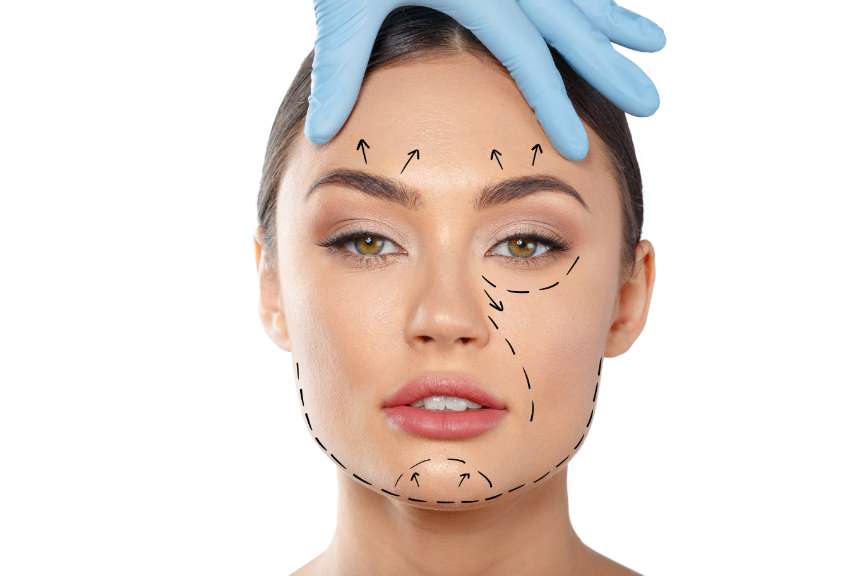
Each procedure has its benefits, and recovery experiences can vary depending on the specific treatment utilized.
Initial Recovery: What to Expect
1. Immediate Aftercare
After your nonsurgical facelift, you might experience:
- Swelling and Bruising: Mild swelling or bruising is common, especially with dermal fillers and Botox. This usually subsides within a few days.
- Redness: Temporary redness may occur at the injection sites, particularly for injectable treatments.
- Discomfort: You might feel mild discomfort, but this is typically manageable. Over-the-counter pain relievers can help if needed.
2. Day 1-3 Post-Procedure
- Hydration is Key: Drink plenty of water to help your body recover.
- Avoid Strenuous Activities: Refrain from heavy exercise or strenuous activities for at least 24-48 hours post-treatment to minimize swelling and bruising.
- Cold Compresses: Applying a cold compress can help reduce swelling and provide relief.
3. Day 4-7 Post-Procedure
- Resuming Normal Activities: Most patients can return to their regular activities within a few days. However, avoid vigorous exercise or activities that may put pressure on the treated areas for about a week.
- Monitoring Changes: You may start noticing improvements in your appearance as swelling decreases. Full results may take a few weeks to become evident, especially with fillers.
Understanding the Results
1. Timeline for Results
- Immediate Results: Many nonsurgical facelift procedures provide instant improvements, particularly with fillers and Botox.
- Gradual Improvement: For treatments like Ultherapy, results will gradually improve over several months as collagen production increases.
- Longevity of Results:
- Injectable Fillers: Results typically last between 6 months to 2 years, depending on the type of filler used.
- Botox: Usually lasts 3-6 months before a touch-up is needed.
- Ultherapy: Results can last up to 1-2 years with proper skincare and maintenance.
2. Realistic Expectations
When exploring what is nonsurgical facelift technology, it is essential to understand that individual results can vary based on factors like skin type, age, and the specific treatment received. While nonsurgical facelifts can significantly improve your appearance, they may not provide the same dramatic results as surgical options. Setting realistic expectations will help ensure your satisfaction with the outcomes.

Tips for Optimal Recovery
- Follow Aftercare Instructions: Always adhere to any specific post-treatment instructions provided by your practitioner. This may include makeup restrictions and skincare routines.
- Avoid Certain Activities: Steer clear of alcohol, extreme temperatures, and direct sun exposure for at least a week after your procedure to prevent complications.
- Healthy Lifestyle: Maintain a balanced diet, stay hydrated, and avoid smoking, as this can impact your skin’s healing process and results.
- Regular Follow-Ups: Schedule any follow-up appointments with your practitioner to monitor your progress and address any concerns.
When to Seek Help
After a nonsurgical facelift, it’s important to monitor how your body responds. While some swelling and discomfort are normal, you should contact your practitioner if you experience any of the following:
- Severe or increasing pain
- Uncontrolled bleeding
- Significant swelling that doesn’t subside after a few days
- Signs of infection (e.g., fever, pus, or increased redness)
Conclusion
A nonsurgical facelift in Vietnam can offer you a rejuvenated appearance with minimal downtime. Understanding what to expect during the recovery process and setting realistic expectations for results are critical steps in ensuring a satisfying experience. By following proper aftercare instructions and maintaining a healthy lifestyle, you can maximize your results and enjoy a more youthful, radiant look. For more personalized guidance and to explore various nonsurgical facelift options, visit Aesthetic Elite and take the first step toward your beauty transformation!


