Breast Reduction for Men: The Ultimate Guide to Treating Gynecomastia
Discover everything you need to know about breast reduction for men. Aesthetic Elite explains gynecomastia, treatment options, surgical vs. non-surgical approaches, recovery, risks, costs, and how to choose the right surgeon for Male gynecomastia treatment.
Gynecomastia, the medical term for enlarged male breasts, affects a significant number of men at various life stages—from puberty to older adulthood. While often harmless, gynecomastia can cause physical discomfort, self-consciousness, and social anxiety. This ultimate guide provides a comprehensive overview of breast reduction for men, including what causes gynecomastia, non-surgical and surgical treatment options, what to expect before and after procedures, recovery timelines, risks, costs, and how to decide if surgery is the right path for you. Our goal is to empower you with practical information so you can make informed decisions about your chest contour and overall well-being.
Understanding Gynecomastia: Causes and Symptoms
Gynecomastia occurs when glandular tissue grows in the breast area, sometimes accompanied by excess fat. Causes can include:
- Hormonal changes during puberty or aging
- Medication side effects (antidepressants, anti-androgens, certain heart medications)
- Health conditions such as liver disease, kidney issues, or thyroid disorders
- Substance use (alcohol, marijuana, anabolic steroids)
Common symptoms include:
- Noticeable enlargement of one or both breasts
- Tenderness or sensitivity in the chest
- A sense of fullness or lump beneath the nipple
- Self-consciousness about chest appearance
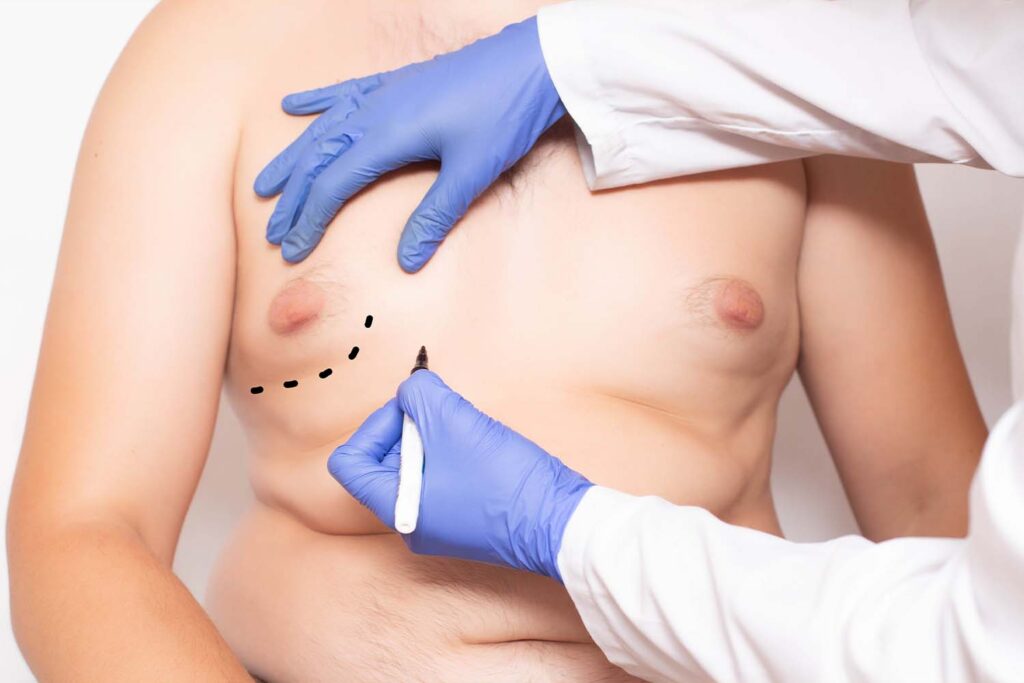
It’s essential to consult with a board-certified plastic surgeon or an endocrinologist to confirm the diagnosis and rule out other conditions, such as male breast cancer, which is rare but warrants proper evaluation.
Non-Surgical Options: Can Gynecomastia Be Treated Without Surgery?
For many men, initial management focuses on addressing reversible causes and reducing fat deposits if present. Options include:
- Medical optimization: Reviewing medications with a clinician to identify potential gynecomastia triggers; treating underlying endocrine issues.
- Weight loss and exercise: In cases where disproportionate fat contributes to chest fullness, targeted exercise and a healthy diet may improve contours.
- Hormonal therapy: In certain endocrine-driven cases, doctors may consider medications to rebalance hormones, though these are not universally effective for all patients.
- Compression garments: While not a cure, well-fitting compression vests can improve appearance and confidence during the interim.
Limitations:
- Non-surgical approaches often address fat or swelling but may not reduce true glandular tissue.
- Results vary, and some individuals will not achieve satisfactory improvement without surgery.
- Any medical decision should be supervised by a qualified physician to avoid adverse interactions with existing conditions or treatments.
Surgical Overview: When Breast Reduction Might Be Right for You
Surgical breast reduction for men aims to remove excess tissue, reshape the chest, and create a flatter, more masculine contour. The most common procedures include liposuction (for fatty gynecomastia) and subcutaneous mastectomy (removal of glandular tissue). In some cases, a combination approach is used.
Who is a good candidate?
- Men with persistent gynecomastia after trying non-surgical options
- Those whose chest fullness causes physical discomfort or impairs athletic performance
- Individuals with good overall health and realistic expectations
- Non-smokers or those willing to quit smoking well in advance of surgery (to reduce surgical risk)
Key considerations:
- The composition of your breast tissue (predominantly glandular vs. fatty) guides the chosen technique.
- Skin elasticity and chest wall anatomy influence the degree of reshaping required.
- Your goals, activity level, and tolerance for downtime play a big role in planning.
The Procedure: What to Expect
- Preoperative Consultation
- Comprehensive evaluation, including medical history, imaging if needed, and a discussion of goals.
- Discussion of anesthesia options, incision placement, anticipated scarring, and recovery plan.
- Photos and measurements to plan contouring and symmetry.
- Anesthesia and Incisions
- Most men undergo general anesthesia or twilight anesthesia, depending on the complexity.
- Liposuction targets fatty tissue; a subcutaneous mastectomy removes glandular tissue through small incisions located around the areola or in the chest crease. The specific approach varies by patient anatomy.
- The Recovery Journey
- Initial recovery: Expect some swelling, bruising, and soreness in the chest area for the first week or two.
- Activity: Light activity can usually resume within a few days; strenuous exercise and heavy lifting may be restricted for several weeks.
- Dressings and drains: Some patients may have small drains and compression garments to support healing.
- Scars: Incisions are strategically placed to minimize visible scarring; most patients notice gradual fading over months.
- Results and Follow-Up
- Chest contour improves gradually as swelling subsides and tissue settles.
- Final results may take a few months to become fully apparent.
- Follow-up visits ensure proper healing, symmetry, and adjustment if minor revisions are needed.

Safety, Risks, and Considerations
- General risks: Anesthesia complications, infection, hematoma, and scarring.
- Specific risks: N numbness or changes in sensation, contour irregularities, seroma formation, or asymmetry.
- Long-term considerations: Potential need for revision in the future if tissue changes or weight fluctuations occur.
- Psychological impact: A realistic understanding of body image outcomes can help you set healthy expectations and mitigate post-operative dissatisfaction.
Choosing a trusted surgeon
- Board-certified plastic surgeons with extensive experience in male chest reduction
- A transparent discussion of risks, benefits, alternatives, and expected outcomes
- Clear before-and-after galleries to assess symmetry and contour quality
Costs, Insurance, and Access
- Costs vary by geography, surgeon experience, and the specifics of the procedure (liposuction vs. mastectomy approach, anesthesia, facility fees).
- Some health plans may cover medically necessary gynecomastia surgery if it is deemed functionally or psychologically distressing; documentation of symptoms and medical necessity may be required.
- Financial options: Payment plans, financing, or surgeon-specific packages can help manage upfront costs.
Aftercare: Maximizing Your Results
- Wear compression garments as advised to reduce swelling and support chest shaping.
- Follow wound care instructions to minimize infection risk and scarring.
- Maintain a stable weight to preserve results.
- Gradually reintroduce exercise with physician guidance to protect incisions and optimize outcomes.
Real-Life Considerations: Impact on Lifestyle
- Sports and physical activities often become more comfortable with a flatter chest.
- Clothing choices may improve as chest contour becomes more masculine and proportional.
- Mental and emotional well-being may improve due to enhanced confidence and body image.
Common Myths Debunked
- Myth: Gynecomastia can be cured with diet and exercise alone. Reality: While lifestyle changes can help with fatty tissue or overall fitness, true glandular gynecomastia often requires surgical intervention for permanent resolution.
- Myth: Surgery is only for older men. Reality: Gynecomastia can affect men of various ages; age alone is not a contraindication.
- Myth: implants are necessary for a masculine chest. Reality: Most patients achieve desirable results with liposuction and/or gland removal without implants.
The Decision-Making Checklist: Questions to Ask Your Clinician
- What procedure best suits my tissue composition and goals?
- What is the expected recovery timeline, including limits on activities?
- Are there non-surgical options that could complement or reduce the need for surgery?
- What are the potential risks and how will symmetry be assessed and managed?
Gynecomastia is a common condition that affects many men’s self-confidence and comfort. With the right approach—whether through lifestyle adjustments, non-surgical therapies, or breast reduction for men—patients can achieve a flatter, more masculine chest contour. For personalized guidance, expert care, and a clear path to improved appearance, consult with the specialists at Aesthetic Elite and consider Male breast reduction surgery as a transformative option for your health and confidence.


