Aesthetic Elite discusses botched liposuction, outlining common signs of poor results and how to identify liposuction complications.
Liposuction has become one of the most popular cosmetic procedures for individuals looking to contour their bodies and eliminate stubborn fat. While many patients achieve successfully sculpted shapes through liposuction, there are instances where the results fall short of expectations or even lead to significant complications. Botched liposuction can result in physical and emotional distress for patients. This article outlines the common signs of botched liposuction and how to identify poor results to help ensure you make informed decisions about your cosmetic journey.
What is Liposuction?
Liposuction is a surgical procedure designed to remove stubborn fat deposits from specific areas of the body, including the abdomen, thighs, hips, arms, and neck. The procedure can enhance body contours and improve proportions, empowering patients to feel more confident in their appearance. However, achieving desirable results relies heavily on the surgeon’s skill and the individual’s overall health.
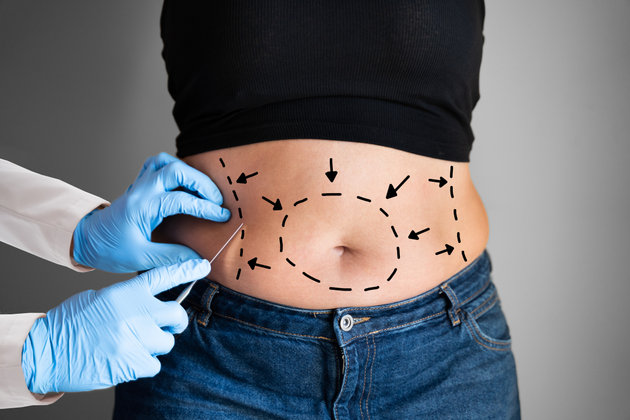
Common Signs of Botched Liposuction
After undergoing liposuction, it is imperative to monitor your body for any irregularities that could indicate poor outcomes. Here are some common signs of botched liposuction:
1. Uneven Contours
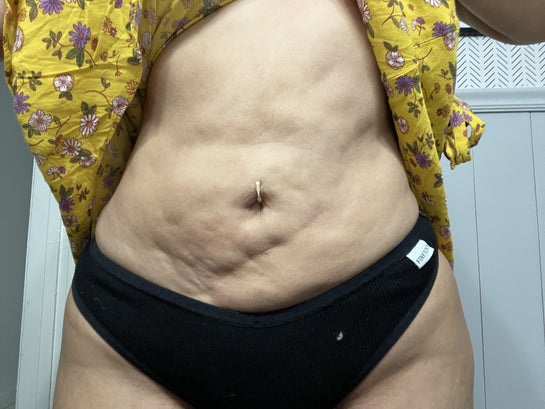
One of the most noticeable indicators of botched liposuction is uneven contours. If certain areas appear lumpy, bumpy, or disproportionate compared to surrounding areas, it may suggest that fat was removed unevenly. This irregularity can lead to a distorted appearance, which necessitates further surgical intervention to rectify.
2. Excess Skin
Post-surgical excess skin is another common issue. If the fat is removed without sufficient skin elasticity, the result may be sagging skin in the treated areas. This can detract significantly from the aesthetic appeal that patients seek through liposuction, leading to disappointment and a longing for corrective procedures.
3. Persistent Swelling
While some swelling is normal following liposuction, prolonged or excessive swelling can indicate problems. If swelling lasts beyond a few weeks, it might point to complications such as fluid accumulation or hematomas, which require attention from a medical professional.
4. Pain and Discomfort
After liposuction, some discomfort and pain are expected, but significant and persistent pain may signal complications. If pain intensifies instead of gradually diminishing, it’s essential to consult with your surgeon. Persistent pain could suggest infection or other serious conditions.
5. Changes in Sensation
Altered sensations in the treated areas, such as numbness or tingling, can also be a sign of suboptimal results. If these sensations persist long after your recovery, it may indicate nerve damage or complications resulting from the procedure.
6. Visible Scarring
While some scarring is unavoidable, excessive or poorly placed scars may indicate a lack of surgical skill. Liposuction scars should typically be discreet and fade over time. If scars are prominent, red, or raised, it’s a sign that the technique may have been inadequate.
How to Identify Poor Liposuction Results
Identifying poor liposuction results is crucial for taking the necessary actions to fix them. Here are steps to help you assess the outcomes of your procedure:
1. Self-Assessment
Regularly examine your body after the procedure. Take note of any irregularities in shape, skin texture, and overall appearance. Comparing “before” and “after” photos can be helpful to gauge whether results align with your expectations.
2. Follow-Up Appointments
Attend all follow-up appointments with your surgeon. These visits allow your surgeon to assess your progress and address any concerns. Discuss any issues you’ve observed, and don't hesitate to ask about what you should expect during recovery.
3. Seek a Second Opinion
If you're concerned about your results, consider seeking a second opinion from another qualified plastic surgeon. An experienced professional can provide a fresh assessment of your situation and inform you about corrective options if necessary.
4. Listen to Your Body
Pay attention to how your body feels. Persistent pain, abnormal swelling, or any other concerning symptoms should not be ignored. Promptly contacting your healthcare provider can help address complications before they worsen.
5. Research and Educate Yourself
Educate yourself about possible complications and realistic expectations of liposuction results. Knowing what to look for can empower you to act quickly if issues arise.
Botched liposuction can have serious repercussions on one’s physical appearance and emotional well-being. Being aware of common signs of poor results is essential in identifying potential complications early. Uneven contours, persistent swelling, excess skin, and abnormal sensations are all factors to monitor closely after the procedure.
By engaging in self-assessment, attending follow-up appointments, and seeking professional opinions when needed, patients can better navigate the challenges that may arise post-surgery. Understanding these aspects can significantly affect recovery and satisfaction with liposuction outcomes.
Addressing liposuction complications swiftly can also mitigate long-term issues, leading to better overall aesthetics and improved confidence. If you or someone you know is considering liposuction, ensure you choose a qualified surgeon and remain vigilant throughout your recovery to achieve the best possible results.


