How to Avoid Complications from Dermal Fillers: A Safety Guide for Patients
Aesthetic Elite provides a comprehensive safety guide for patients on avoiding complications from dermal fillers, ensuring a smooth and satisfying aesthetic experience.
Dermal fillers have surged in popularity for their ability to enhance facial contours, fill in wrinkles, and rejuvenate the skin. However, as with any cosmetic procedure, there are risks involved. Complications from dermal fillers can range from minor swelling and bruising to more serious issues like infection or vascular occlusion. As a responsible patient, it's crucial to understand how to minimize these risks and make informed decisions about your aesthetic treatments. This article serves as a safety guide to help you avoid complications associated with dermal fillers.
Understanding Dermal Fillers
Before diving into safety precautions, let's briefly explore what dermal fillers are. Dermal fillers are injectable substances designed to restore volume and smooth out wrinkles. Common types include:
- Hyaluronic Acid Fillers: Naturally occurring in the body, these fillers are popular for their reversible effects and gradual absorption by the body.
- Calcium Hydroxylapatite Fillers: These are slightly thicker and often used for deeper wrinkles and volume loss.
- Poly-L-lactic Acid Fillers: Stimulating collagen production, these fillers provide gradual results and can last longer.
- Permanent Fillers: These are less commonly used due to a higher risk of complications.

Understanding the various types of fillers is crucial for both safety and effectiveness in achieving your desired aesthetic results.
Choosing a Qualified Injector
The first step in avoiding complications from dermal fillers is selecting a qualified injector. Here are some key factors to consider:
1. Credentials and Training
- Certification: Always check if the injector is certified by a recognized board. This ensures they have undergone the proper training and adhere to safety standards.
- Experience: Look for an injector with extensive experience in administering dermal fillers. A seasoned professional will understand facial anatomy and be familiar with potential complications.
2. Clinic Reputation
- Reviews and Testimonials: Research the clinic’s reviews and patient testimonials. Feedback from past patients can provide valuable insights into their professionalism and results.
- Facility Standards: Choose a clinic that follows strict hygiene protocols and maintains a sterile environment.
3. Consultation Process
- Initial Consultation: Prior to the procedure, the injector should perform a thorough consultation. This includes discussing your medical history, understanding your aesthetic goals, and performing a facial assessment to determine the best treatment plan.
- Realistic Expectations: Your injector should help you set realistic expectations regarding the results and possible side effects.
Pre-Treatment Precautions
Taking certain precautions before your dermal filler procedure can help minimize complications:
1. Disclose Medical History
- Allergies and Medications: Be honest about your medical history, including any allergies or medications you are taking. Certain medications, notably blood thinners, can increase the risk of bruising or swelling.
2. Avoid Certain Medications and Supplements
- Blood Thinners: Avoid NSAIDs (like aspirin and ibuprofen) and supplements (like fish oil and vitamin E) at least a week before your treatment, as these can increase bleeding and bruising.
- Avoid Alcohol: Steer clear of alcoholic beverages for at least 24 hours before the procedure to reduce swelling and bruising risks.
3. Skin Care Regimen
- Healthy Skin: Maintaining a good skincare routine can enhance recovery. Ensure your skin is well-hydrated and free from irritants before your appointment.
During the Procedure
While the injector will primarily control the procedure, being aware of what to expect can further enhance safety:
1. Infection Control
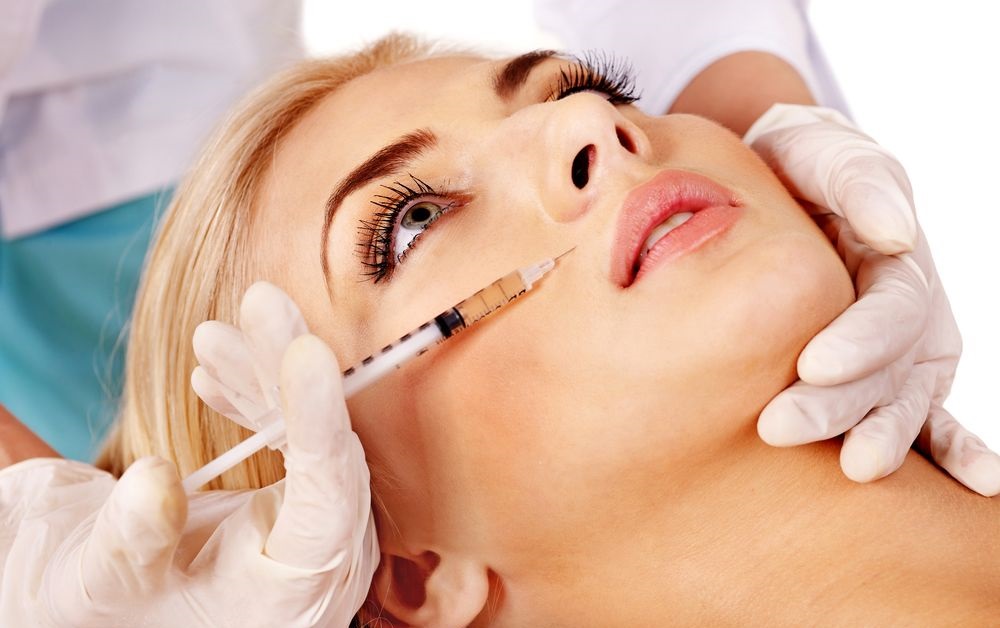
- Sterile Environment: Ensure that the procedure is conducted in a sterile environment. The injector should use gloves and sterilize the injection sites to prevent infection.
2. Technique
- Gentle Injection: The injector should use a gentle technique to minimize trauma to the tissue, which can help reduce swelling and bruising.
3. Communication
- Provide Feedback: Communicate openly with your injector during the procedure. If you experience any discomfort or anxiety, let them know so they can address your concerns.
Post-Treatment Care
Proper care after receiving dermal fillers is just as important as pre-treatment precautions:
1. Follow Aftercare Instructions
- Avoid Rubbing or Massaging: Refrain from rubbing or massaging the treated area for at least 24 hours to allow the filler to settle properly.
- Stay Upright: Try to keep your head elevated for a few hours post-treatment to help reduce swelling.
2. Manage Side Effects
- Swelling and Bruising: It's normal to experience some swelling and bruising after the procedure. Applying ice packs can help alleviate these symptoms.
- Pain Management: If you experience discomfort, over-the-counter pain medication can usually provide relief. However, avoid blood thinners.
3. Monitor for Complications
- Signs of Infection: Be aware of symptoms indicating an infection—such as excessive swelling, redness, or discharge. Contact your injector immediately if you notice these signs.
- Vascular Occlusion: Recognize symptoms like intense pain, blanching, or loss of vision, which may indicate vascular occlusion—a rare but serious complication.
Conclusion
By following this safety guide, you can significantly reduce the likelihood of complications from dermal fillers. Choosing a qualified injector, disclosing your medical history, and adhering closely to all pre- and post-treatment guidelines are all essential steps for achieving a successful experience.
Understanding the potential hidden costs associated with dermal fillers can help you prepare effectively, ensuring your investment leads to satisfying results. Whether you're seeking a subtle enhancement or a more pronounced change, prioritize safety above all to ensure your journey to aesthetic improvement is a positive one.
In your overall cosmetic journey, always keep an open dialogue with your healthcare providers to manage expectations and outcomes effectively. And while you're budgeting for aesthetic procedures, remember to consider all aspects, including prevent filler-related side effects if that becomes part of your enhancement plan.


